

At the end of the 19th century, the patron saint fairs of Castilla y León were the heart of the celebrations: gigantes y cabezudos paraded through the squares, carousels spun, and puppet theaters entertained crowds. In this festive atmosphere, early cinema arrived — a groundbreaking spectacle that projected moving images onto sheets hung between wooden poles. Accompanied by the whirring sound of the projector, live music, and a narrator describing the scenes, these screenings captivated audiences with a completely new way of seeing the world.
Traveling cinema tents were set up at fairgrounds alongside wax figures and magic shows. Spectators gathered in front of improvised screens: those who could afford it sat close, while others, standing further back, cleverly deciphered the inverted images with laughter and excitement. The films showed bullfights, weddings, or everyday scenes, such as Las lavanderas del Tormes (1897) — the first recording ever made in Castilla y León — which captured local life along the river in Salamanca. Often filmed in the very towns where they were shown, these images sparked applause and lively conversation, immediately resonating with the audience.
Itinerant entrepreneurs took these screenings from town to town, following the railway lines and local festival calendars. This noisy, popular traveling cinema helped cement Castilla y León’s relationship with the seventh art. Over time, the tents gave way to permanent theaters, and the passion for cinema continued to grow.
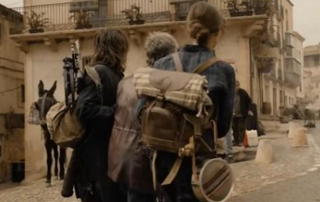
Today, Castilla y León is a benchmark in the film industry. Its rich diversity of landscapes, historical heritage, and vibrant cultural life attract productions from around the globe. In recent years, major hit series and films such as La Casa de Papel, The Walking Dead: Daryl Dixon, Los Juegos del Hambre, Fast & Furious, Memento Mori, La Huella del Mal, Berlín, and many more have been filmed in the region, positioning it as a prestigious international set.
The region also stands out for its numerous film festivals, many of them internationally renowned, such as the Seminci, which bring together filmmakers, actors, and cinephiles. These events promote everything from European cinema to local productions, connecting Castilla y León with the global industry. From Las lavanderas del Tormes to today’s major blockbusters, cinema in Castilla y León has evolved, establishing the region as a place where film is more alive than ever.
Castilla y León Film Commission looks forward to seeing you at the next edition of Shooting Locations Marketplace, to be held on October 15 and 16 at Feria de Valladolid.