
Azores: nine volcanic islands, the world’s first certified sustainable archipelago
Azores: nine volcanic islands, the world’s first certified sustainable archipelago
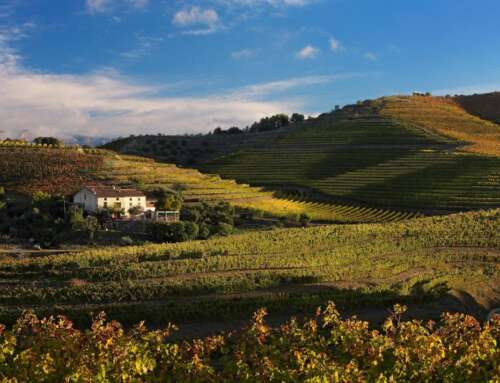
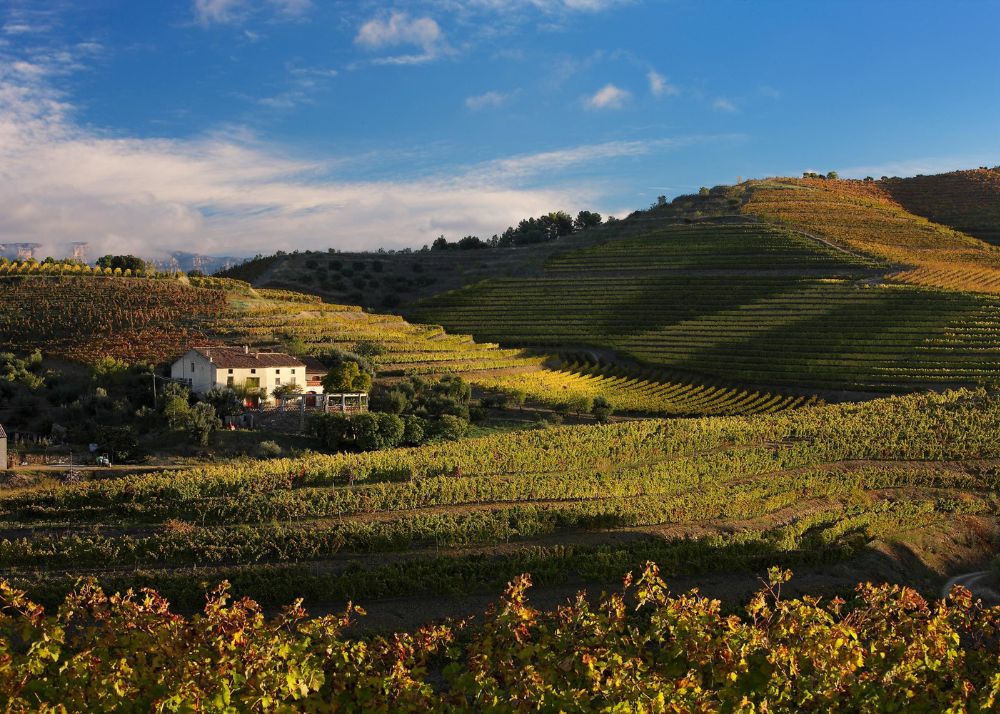
No vineyard in the world looks quite like those on the island of Pico. The vines grow sheltered by currais — low walls of black volcanic stone that protect them from the Atlantic wind and create unique microclimates at sea level. In 2004, UNESCO declared this landscape a World Heritage Site. It is not merely an aesthetic recognition: it is confirmation that here, viticulture and territory are inseparable.
The Azores are taking part in FINE #WineTourism Marketplace 2026, to be held in Valladolid on 3 and 4 March.
The archipelago has been making wine since the fifteenth century, when the first Portuguese settlers introduced vines to the islands. Today, the three recognised wine regions — the island of Pico, Biscoitos on Terceira and the island of Graciosa — produce wines of a character that is almost impossible to replicate elsewhere: Arinto dos Açores, Verdelho and Terrantez do Pico share freshness, minerality and an Atlantic salinity that sets them apart from any other European wine.
The world’s first archipelago with Sustainable Tourism Destination certification
The Azores are not only a destination of exceptional natural beauty. They are the first archipelago in the world to receive Sustainable Tourism Destination certification under the EarthCheck programme. Behind that recognition lies a Sustainability Charter promoted by the Regional Government, aligned with all 17 Sustainable Development Goals of the 2030 Agenda and signed by more than 155 entities with 625 formal commitments.
Destination management is overseen by Azores DMO, whose role is to maintain and continuously raise those standards.
That commitment extends directly to the vineyard. The archipelago’s wineries combine traditional techniques with modern winemaking methods, respecting the volcanic environment and promoting biodiversity in a fragile and protected ecosystem. The Azores Wine Company is one of the leading examples of that philosophy, offering themed tastings that allow visitors to explore the diversity of the islands’ wines.
Wine tourism in the Atlantic: from the currais to the Furnas
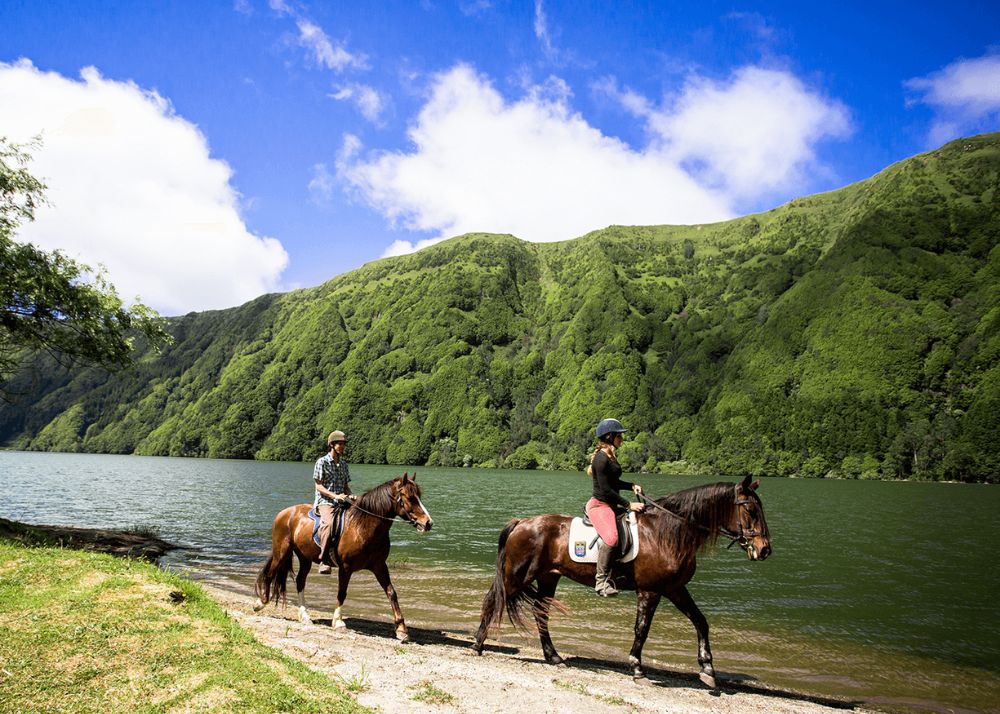
The wine tourism experience in the Azores goes well beyond tasting. The Wine Museum in Vila da Madalena preserves and displays the winemaking heritage of Pico. Vineyard routes — on foot, by bike or on horseback — allow visitors to travel through the volcanic landscape from the inside. Gastronomic experiences pair local wines with octopus stew, São Jorge cheese and dishes prepared using the archipelago’s unique techniques, including the Furnas stew, slow-cooked by geothermal heat from beneath the ground.
Nine islands, each with its own history, its own landscape and its own way of understanding Atlantic hospitality. At FINE 2026, the Azores present the international market with a wine tourism offer that brings together UNESCO World Heritage vineyards, certified sustainability and a gastronomic culture built over centuries on the edge of the ocean.
.