Altolandon: high-altitude wines at 1,100 metres in the heart of Cuenca
Altolandon: high-altitude wines at 1,100 metres in the heart of Cuenca
Some wineries are defined by the people who founded them. Altolandon is defined by the place where it stands.
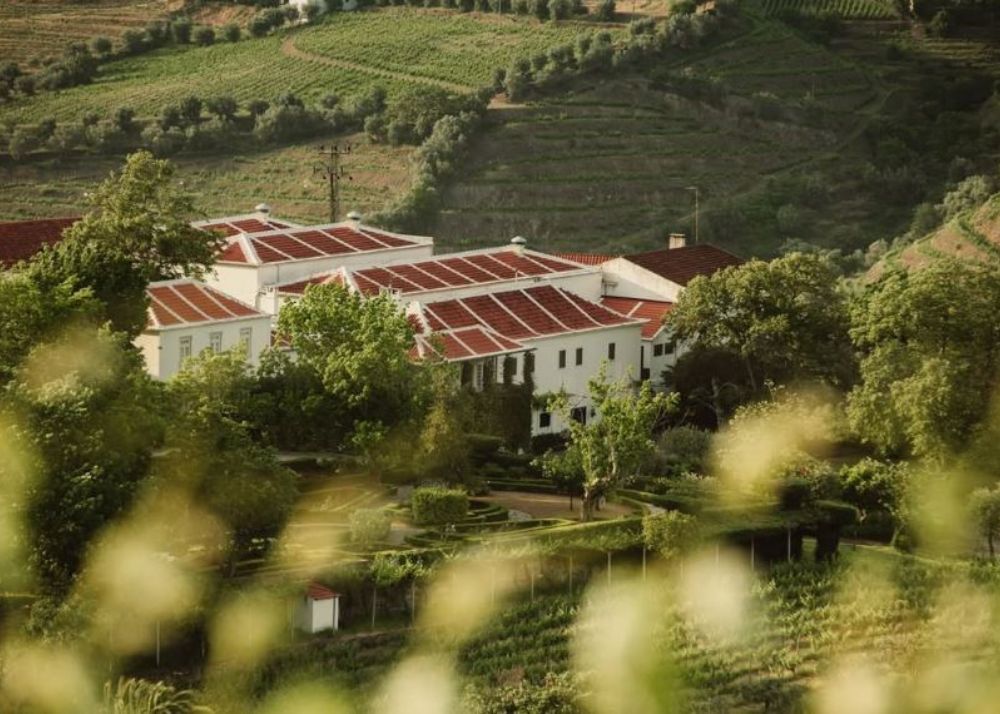
At 1,100 metres above sea level, in Landete, at a point where the provinces of Cuenca, Valencia and Teruel converge, the 200-hectare Altolandon estate occupies the highest ground in its surroundings. The winery sits at the centre of the estate. The vineyard surrounds it. And the altitude shapes everything.
Altolandon is taking part in FINE #WineTourism Marketplace 2026, to be held in Valladolid on 3 and 4 March.
What altitude does to a grape
At greater heights, solar radiation is more intense and the temperature difference between day and night increases. The grapes ripen slowly and gradually in the final months of the cycle. The result is small berries with more skin than pulp, and a concentration of tannins, aromas and acidity that simply cannot be achieved at lower altitudes.
More acidity means greater ageing potential. More tannins, more structure. Greater thermal amplitude, more aromatic complexity.
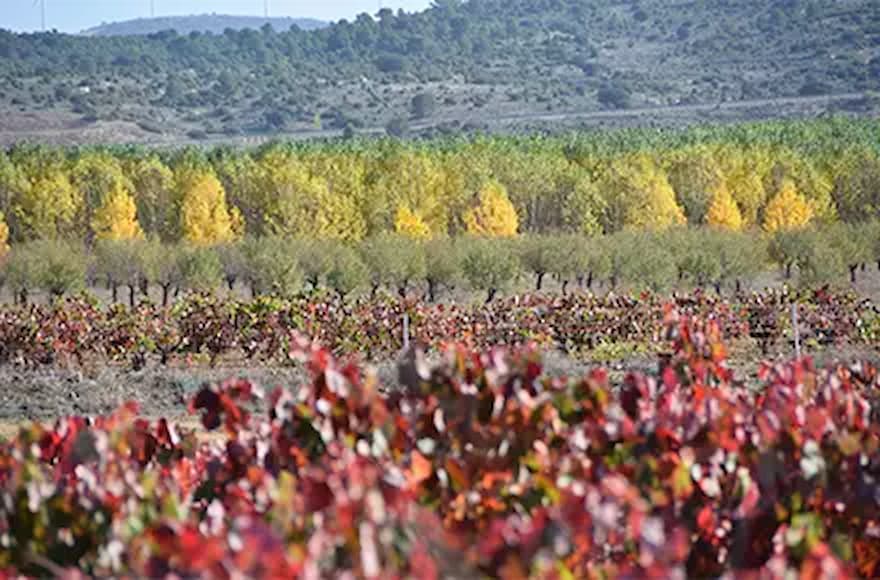
The soils are poor, sandy-loam and stony, forcing the roots to compete and the plant to concentrate its energy in the fruit. Planting density is 4,000 vines per hectare, with yields limited to a maximum of 1.5 kilograms per vine. Varieties cultivated include Malbec, Syrah, Grenache, Merlot, Tempranillo, Cabernet Sauvignon and Cabernet Franc among the reds, and Chardonnay and Petit Grain Muscat among the whites.
All cultivation is certified organic. No pesticides, no chemical fertilisers, no additives in the winery. The mountain winds clean the air and keep the vineyards in optimal health naturally.
From clay vessel to barrel: minimal intervention in the winery
Alcoholic fermentation is spontaneous: no added yeasts, only the indigenous yeast of each harvest. The must remains in contact with the skins for two to three weeks in 6,000-litre stainless steel tanks, with controlled temperature. The wine then goes directly into French oak barrels of 225 and 300 litres, where malolactic fermentation takes place naturally.
Barrel ageing ranges from 8 to 24 months depending on the wine. Barrels are used no more than four times. After bottling, the wine rests for a minimum of 8 months before release.
A visit that begins in the vineyard and ends in the glass
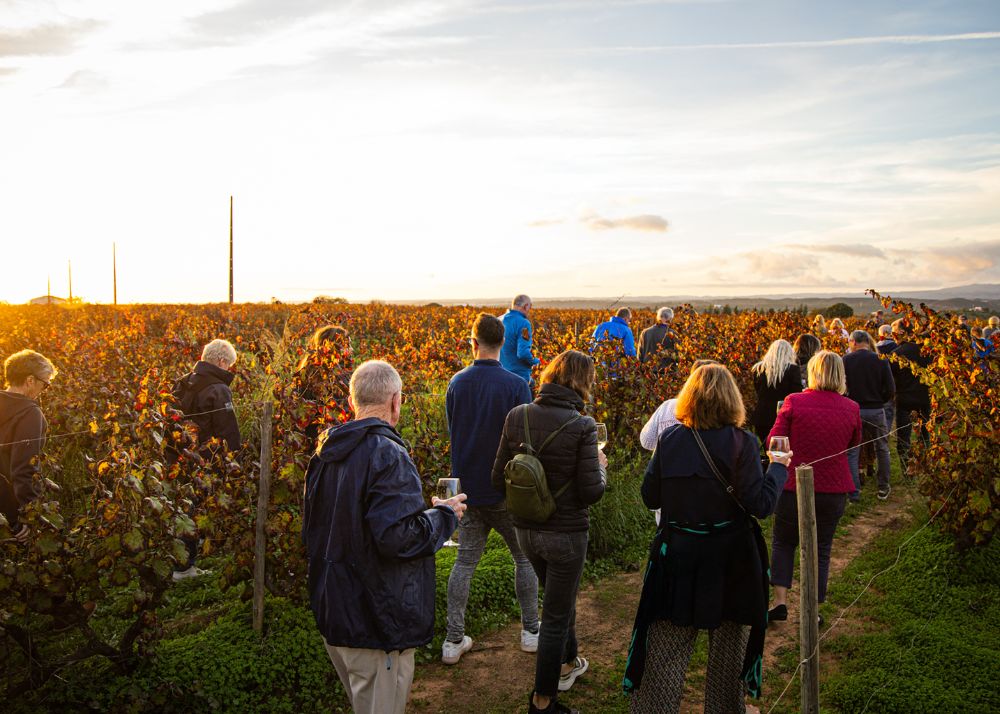
Altolandon’s wine tourism offer is straightforward and unpretentious, much like its wines. The guided visit takes in the winery from the beginning: an explanation of the project, the tank room, clay vessels, the ageing cellar and a tasting of three wines. It lasts between one hour and one and a half hours.
At FINE 2026, Altolandon presents the international market with a winery that has turned the extreme conditions of the high Cuenca mountains into its main argument for quality. Altitude here is not a geographical detail. It is the reason behind every bottle.