Alentejo, Portugal’s wine paradise, at FINE #WineTourism Marketplace 2026
Alentejo, Portugal’s wine paradise, at FINE #WineTourism Marketplace 2026
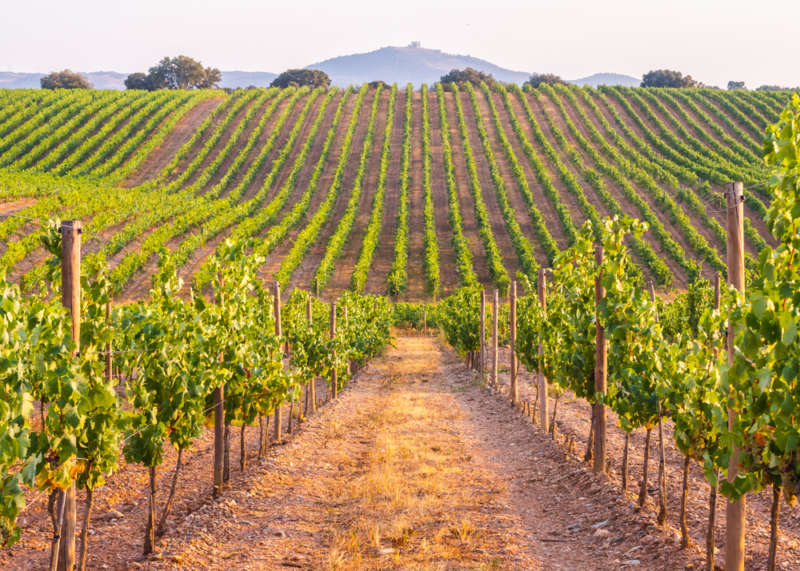
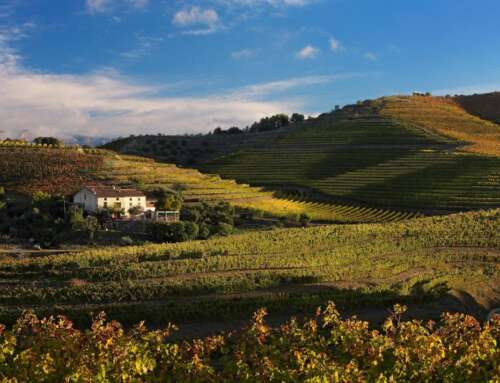
In the south of Portugal, across plains of cork oaks and vineyards stretching to the horizon, the Alentejo produces some of the country’s most celebrated wines. The Comissão Vitivinícola Regional Alentejana (CVRA), the body responsible for promoting and certifying the region’s wines, is taking part in FINE #WineTourism Marketplace 2026, to be held in Valladolid on 3 and 4 March.
A region with its own Protected Designation of Origin, a certified sustainability programme and a winemaking technique two thousand years old that exists nowhere else in the world.
Vinho de Talha: two millennia of amphora winemaking
The Alentejo is the only region in the world where amphora wine — Vinho de Talha — has been made without interruption since Roman times. The talhas are large fired clay vessels in which the must ferments and rests in contact with the grape skins, following a process that has barely changed in twenty centuries. The result is wine of a radically distinctive character: texture, depth and a connection to the territory that no modern technology can replicate.
It is, quite possibly, the oldest wine in Europe still being made exactly as it always was.
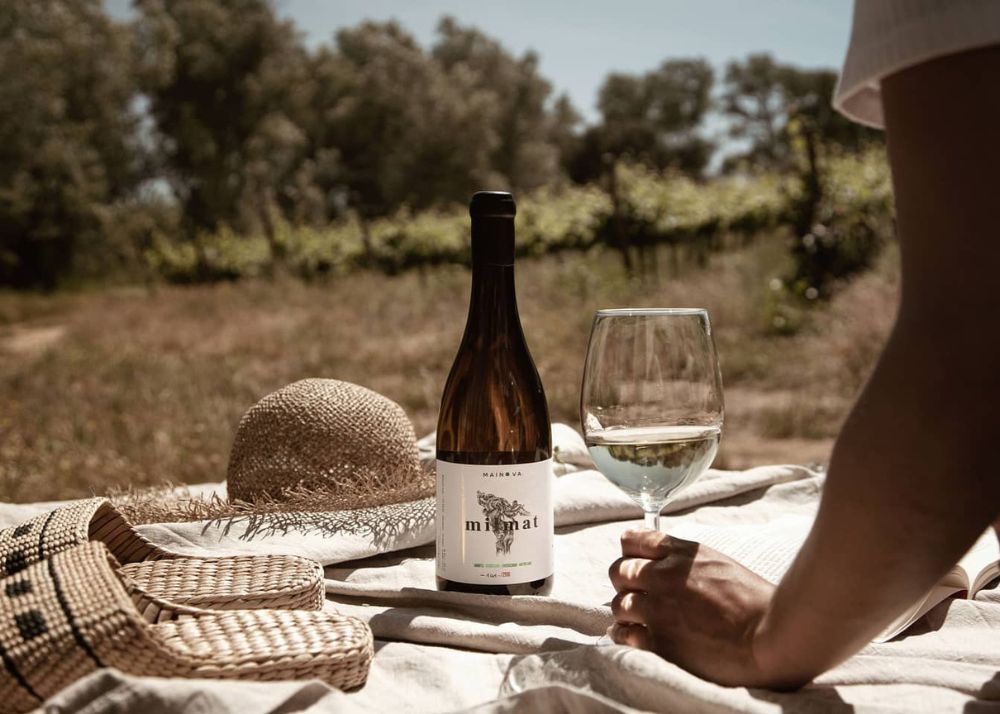
Alongside Vinho de Talha, the region produces reds, whites, rosés, sparkling wines, fortified wines and organic wines under the Alentejo Protected Designation of Origin and the Alentejano Protected Geographical Indication. Indigenous varieties — Aragonez, Trincadeira, Antão Vaz, Arinto — coexist with international ones in a diverse offer of internationally recognised quality.
Sustainability as a defining identity
The Alentejo Wine Sustainability Programme is one of the most advanced in the European wine sector. Its best practices focus on four areas: biodiversity, efficient resource management, reducing the ecological footprint and positive impact on local communities. A commitment strong enough to place the Alentejo at the centre of the 7th World Wine Tourism Conference.
Sustainability here is not a marketing argument. It is the way the vineyard is worked.
The Alentejo Wine Route: from Évora to Reguengos de Monsaraz
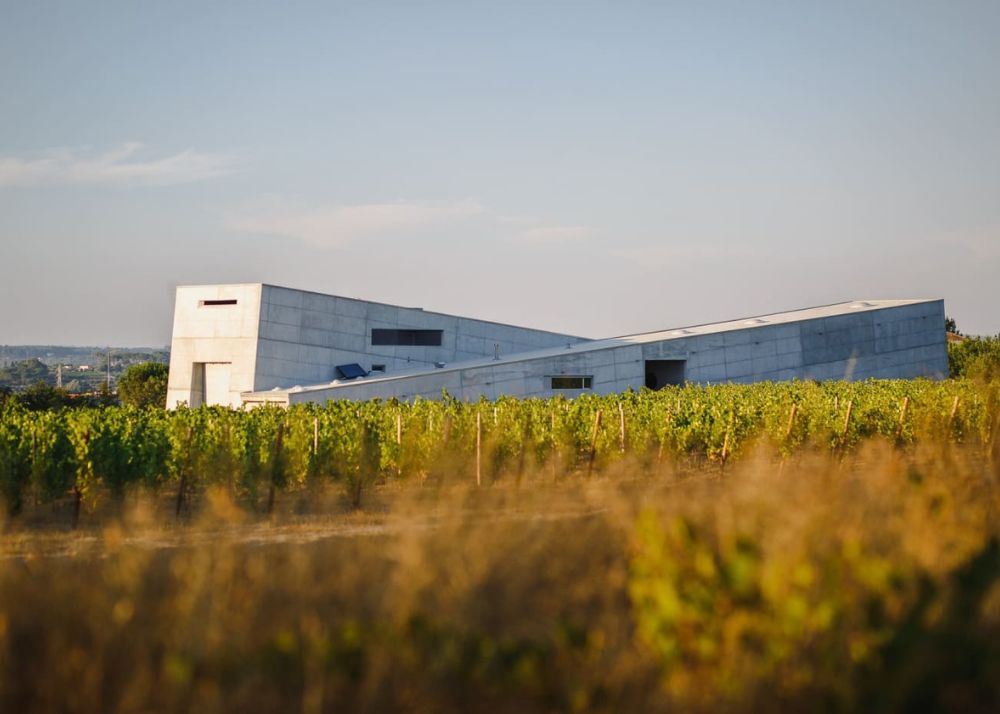
The Alentejo Wine Route organises a wine tourism offer that spans dozens of municipalities — Évora, Estremoz, Borba, Reguengos de Monsaraz, Vidigueira, Moura, Campo Maior — with wineries, herdades and quintas open to visitors throughout the year. The offer includes guided visits to vineyards and cellars, participation in the harvest, wine tastings — including unmissable Vinho de Talha sessions —, gastronomic experiences, accommodation on historic estates and outdoor activities in a landscape of outstanding natural value.
Among the producers on the route are established names such as Herdade do Esporão, Casa Relvas, Cartuxa, Adega Mayor and Mouchão, alongside historic cooperatives like CARMIM in Reguengos de Monsaraz.
At FINE 2026, the CVRA presents the international market with a region that combines the oldest winemaking tradition in Europe with a benchmark sustainability model and a wine tourism offer as diverse as the Alentejo landscape itself.
.