Costa Daurada at FINE #WineTourism Marketplace 2026: where wine routes meet the Mediterranean
Costa Daurada at FINE #WineTourism Marketplace 2026: where wine routes meet the Mediterranean
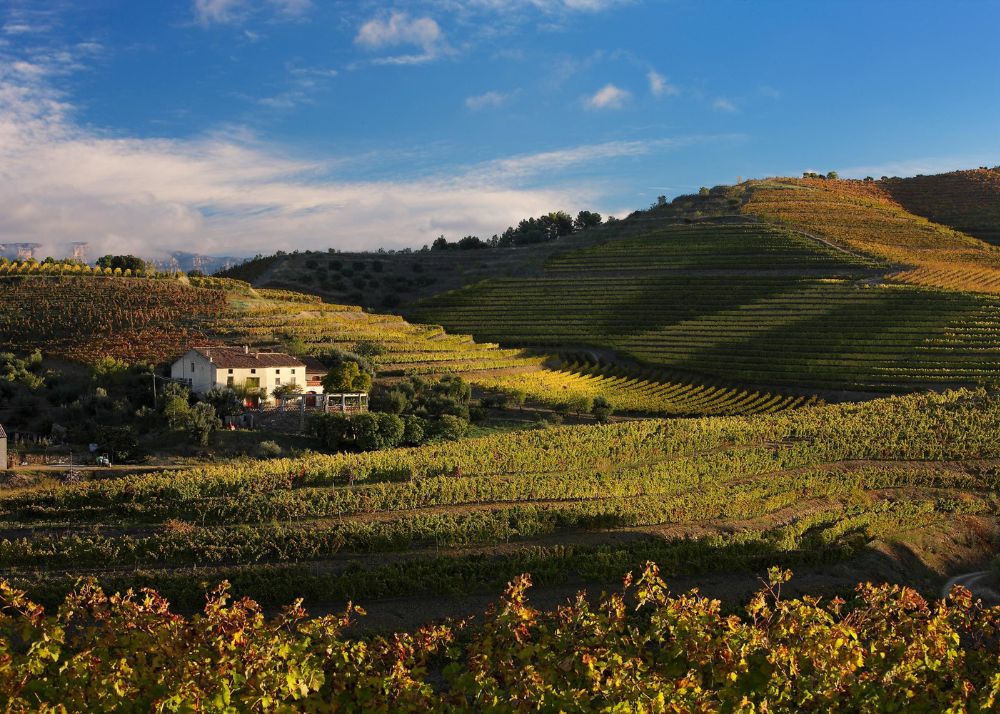
Costa Daurada is participating in FINE #WineTourism Marketplace 2026, taking place in Valladolid on 3 and 4 March. Located in the south of Catalonia, in the province of Tarragona, the destination brings to the fair a wine tourism offer built on six distinct comarcas, five wine denominations and a landscape that moves from the slate terraces of the Priorat to the sea breeze of the Baix Penedès.
Six comarcas, one destination
Costa Daurada is not a single place. It is a territory of contrasts — medieval monasteries and modernist architecture, mountain trails and fishing ports, ancient cooperatives and contemporary wine experiences. Each comarca has its own character. Together, they form one of the most complete wine tourism destinations in southern Europe.
The DOQ Priorat needs little introduction. Its licorella — the dark, flaky slate soil that defines the appellation — forces vines to dig deep and produce wines of extraordinary concentration and personality. Visiting a winery here is not a standard tasting. It is an encounter with a landscape that makes its presence felt in every glass.
Neighbouring Montsant wraps around the Priorat. The Serra de Montsant shelters small villages with deep winemaking traditions. The wines are aromatic and full-bodied. The pace is slower. The silence is part of the experience.
The Trepat, the vermut and the calçots
Not everything in Costa Daurada is red and intense. The Conca de Barberà is home to Trepat, an indigenous black grape variety that produces delicate rosés, light reds and sparkling wines with a distinctive fruity character. Tasting them alongside the Cistercian architecture of the route — Poblet Monastery, the medieval town of Montblanc — adds a dimension that goes well beyond the wine itself.
Reus has given the world something else entirely. Vermut de Reus is not a trend adopted from elsewhere. It was born here, in a city that also produced Antoni Gaudí, and it has been part of local social life since the 19th century. The modernist factories that made it famous across Europe are still standing. Some are open to visitors.
In the Alt Camp, the calçotada is an event in itself. The calçot de Valls — a long, slow-grilled spring onion served with romesco sauce — is more than a dish. It is a gathering, a tradition and a reason to travel. It has Protected Geographical Indication status, and the season draws visitors from across Spain and beyond.
Wine cathedrals and km-0 producers
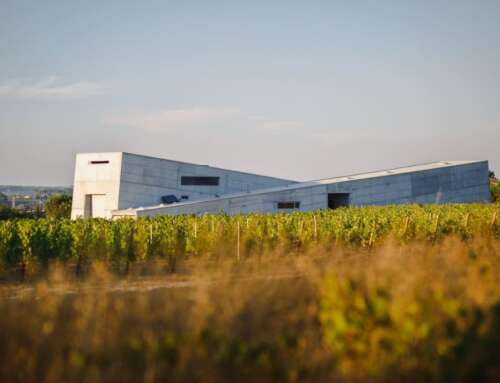
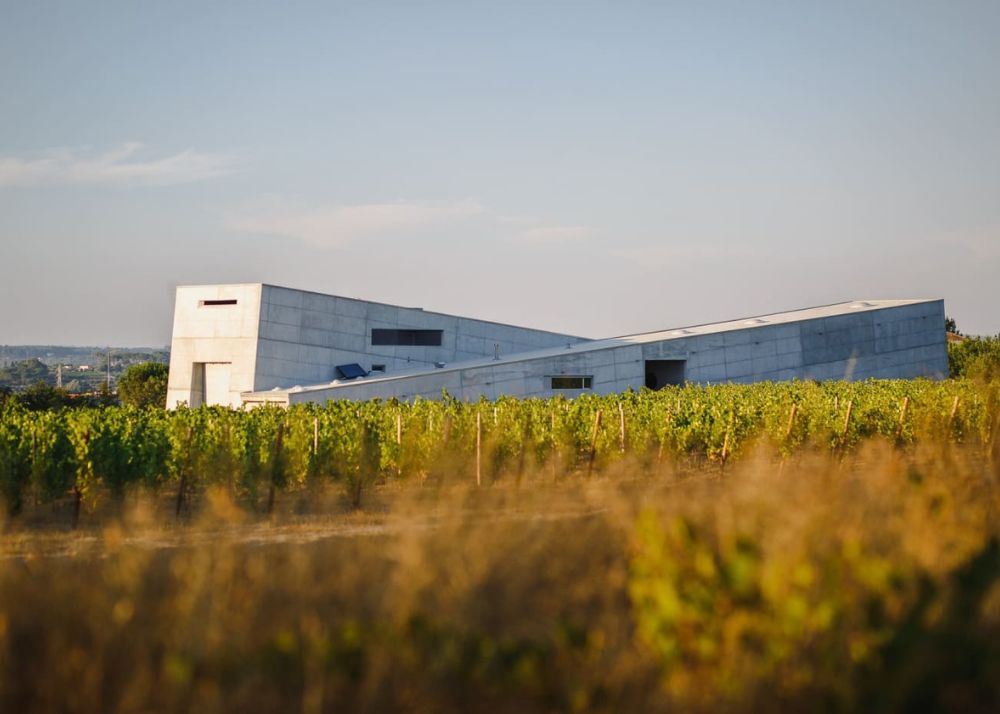
Costa Daurada has six modernist wineries — known locally as the catedrals del vi — that rank among the most remarkable architectural spaces in Catalan wine country. Built at the turn of the 20th century, they were designed not just to store wine but to celebrate it. Visits combine architectural heritage with tastings and a sense of history that is hard to replicate.
Beyond the grand spaces, the region’s network of small producers, farm shops and cooperative cellars offers a different kind of experience. Olive oil from the DOP Siurana designation, fresh fish from the day’s catch, local cheeses and artisan bread — the km-0 offer in Costa Daurada is genuine and varied. It reflects a food culture that has never needed to invent itself.
Landscapes worth walking
Some of the best wine tourism in Costa Daurada happens on foot. The slopes of the Montsant Natural Park, the paths through Priorat’s terraced vineyards, the trails of the Muntanyes de Prades — these are routes where the landscape explains the wine better than any tasting note could. The DO Penedès, closer to the coast, offers a gentler terrain and wines that carry the freshness of sea air.
Costa Daurada’s participation in FINE 2026 is an invitation to explore a destination where wine is not a separate attraction. It is woven into the landscape, the food, the architecture and the daily rhythms of the place. Five denominations, six comarcas, and more than enough reasons to go.